Felix Patterson · 29 September 2026
Adaptive Strategies for Data Integrity in Platform Transitions Across Specialized Digital Communities
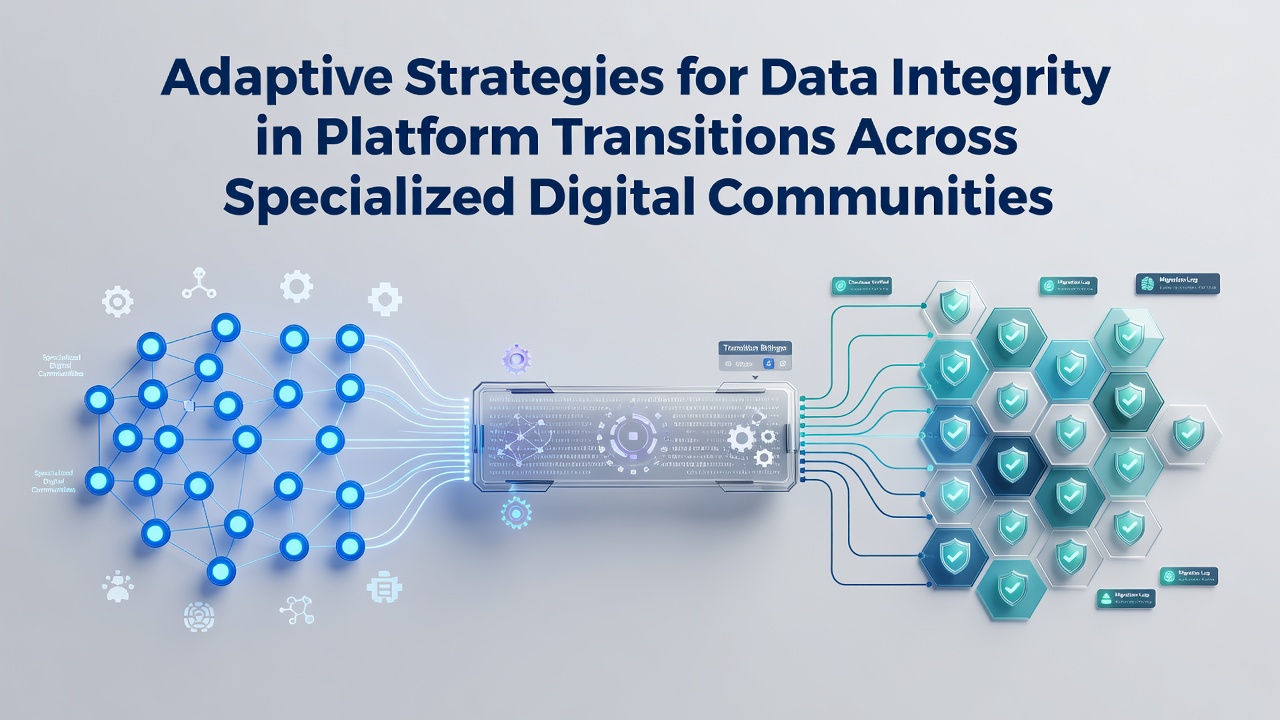
Platform transitions in specialized digital communities require careful handling of data integrity because these environments often contain unique datasets that users rely on for research, collaboration, and historical reference. Communities focused on niche topics such as open-source software development, academic discussion boards, and technical hobbyist forums generate structured records that span years of activity, and any disruption during migration can lead to inconsistencies that affect searchability and trust. Observers note that successful transitions depend on layered verification methods rather than single-point checks, since data sets in these spaces frequently include threaded conversations, attached files, and metadata that must remain synchronized throughout the process.
Core Challenges During Community Platform Shifts
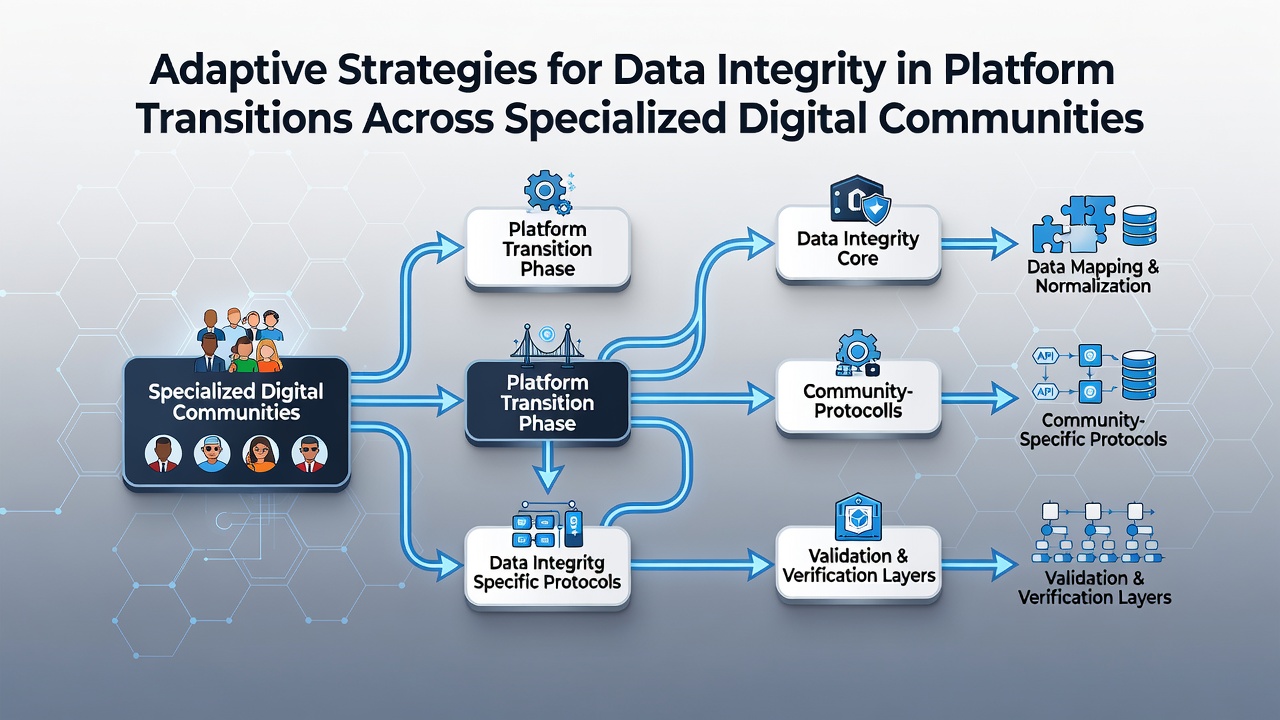
Specialized communities encounter distinct risks when moving between platforms because their data structures tend to be highly customized, with custom fields for tags, permissions, and cross-references that standard migration tools may not fully support. Research indicates that incomplete mapping of these elements can result in broken links or lost context, particularly when older database schemas differ substantially from the target system. According to findings from the National Institute of Standards and Technology, organizations that implement checksum validation at multiple stages reduce corruption incidents by measurable margins during large-scale transfers. Those who have managed such projects often discover that timing plays a critical role, since concurrent user activity can interfere with snapshot accuracy if not isolated properly.
Verification Protocols and Phased Approaches
Effective strategies begin with comprehensive pre-migration audits that catalog every data type and its dependencies, allowing teams to create tailored scripts for each category. Data shows that breaking the migration into sequential phases, where smaller subsets are transferred and validated before proceeding, limits the scope of potential errors and enables faster recovery if issues arise. Experts have observed that incorporating automated reconciliation tools alongside manual spot-checks provides a balanced method, since algorithms catch systematic discrepancies while human review addresses edge cases unique to community-generated content. In September 2026, updated guidelines from the European Data Protection Supervisor emphasized the value of these phased models for maintaining compliance during transitions involving user-generated archives.
Communities that adopt redundant storage during the move maintain parallel copies on both source and destination systems until final sign-off occurs, which prevents data gaps if rollback becomes necessary. This approach proves especially useful in environments where content evolves rapidly, such as collaborative coding repositories or real-time discussion archives, because it preserves version history without requiring extended downtime.
Role of Metadata Preservation and Access Controls
Metadata integrity receives particular attention in these transitions because specialized communities depend on accurate timestamps, authorship details, and permission hierarchies to maintain continuity. Figures from academic studies on digital preservation reveal that loss of metadata can erode the perceived reliability of archived materials more quickly than missing primary content itself. Teams therefore integrate metadata validation steps into every transfer batch, using comparison algorithms that flag deviations before they propagate. Those managing professional networks have reported success when they combine these technical measures with clear documentation that explains any necessary adjustments to users after the move completes.
Access control mapping requires equal care, since community platforms often feature granular role assignments that do not translate directly between systems. Data from industry reports shows that pre-defining equivalent roles in the target environment and testing them against sample user sets reduces post-migration support tickets significantly. This preparation allows administrators to restore full functionality without exposing sensitive records during the adjustment period.
Monitoring and Post-Transition Validation
After the primary transfer finishes, ongoing monitoring tracks query performance and content accessibility to identify any latent integrity issues that surface under real usage patterns. Researchers discovered that communities implementing scheduled integrity scans in the weeks following migration catch anomalies related to indexing delays or permission drift before they affect large numbers of participants. External references such as the NIST Cybersecurity Framework provide structured benchmarks that teams adapt for community-scale environments, while additional perspectives from the European Data Protection Supervisor highlight regulatory considerations around data accuracy during platform changes.
Training sessions for community moderators help sustain these standards because they learn to recognize early signs of data drift and apply corrective procedures consistently. This distributed responsibility model spreads the workload and leverages the domain knowledge that long-term members already possess about their specific content ecosystems.
Conclusion
Platform transitions across specialized digital communities succeed when organizations combine systematic verification, phased execution, and continuous monitoring to safeguard data integrity throughout the process. Evidence from multiple technical fields demonstrates that these adaptive measures preserve both the structural accuracy and contextual value of community records, enabling seamless continuation of activities once the new environment stabilizes. Communities that prioritize these elements position themselves to handle future shifts with greater efficiency while maintaining the trust that defines their specialized spaces.