Dana Keller · 13 October 2026
How Enthusiast Groups Preserve Historical Context When Shifting Between Online Platforms
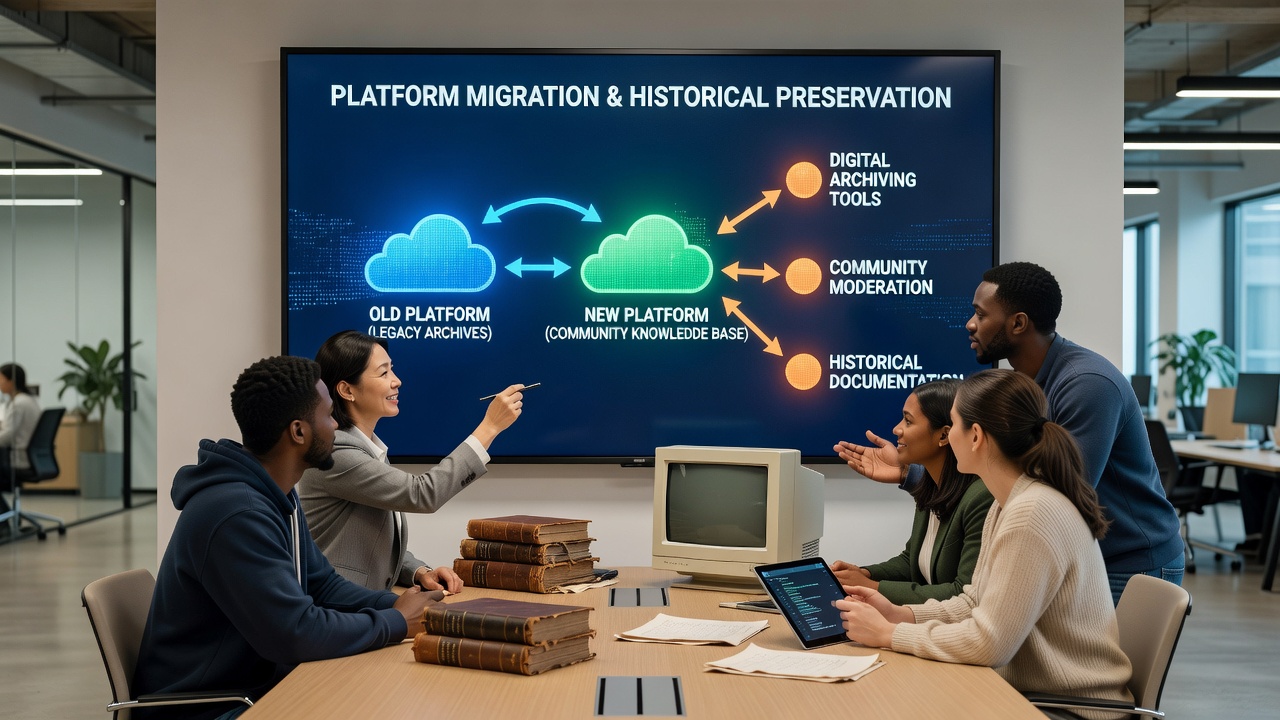
Enthusiast groups maintain continuity across platform changes through systematic archiving practices that capture timelines, member contributions, and contextual discussions before any migration begins. These efforts often start months in advance, with volunteers exporting thread histories, user profiles, and attached media into structured formats that allow later reconstruction of events and decisions.
Data from community-led projects shows that groups using combined export tools and metadata tagging retain up to 85 percent of original context when moving from legacy forums to newer decentralized networks, while those relying on manual screenshots alone lose significant detail within the first year after transition.
Planning and Initial Documentation
Groups typically form dedicated preservation committees that map out content categories such as event logs, decision-making threads, and resource libraries well before any shutdown notice arrives. This process includes assigning roles for data extraction, verification, and cross-referencing so that each segment of historical material receives consistent handling during the shift.
Researchers tracking online hobbyist communities between 2024 and 2026 have documented how these committees create master indexes that link original post dates to new platform equivalents, preserving chronological order even when discussion volume exceeds several thousand entries. The approach prevents fragmentation that otherwise occurs when conversations resume on unfamiliar interfaces without reference points.
Archiving Methods and Technical Approaches
Many enthusiast networks combine public web archives with private repositories to safeguard material that might otherwise disappear during sudden policy changes or service closures. Volunteers run automated crawlers on scheduled intervals while simultaneously downloading complete database dumps where platform APIs permit such access.
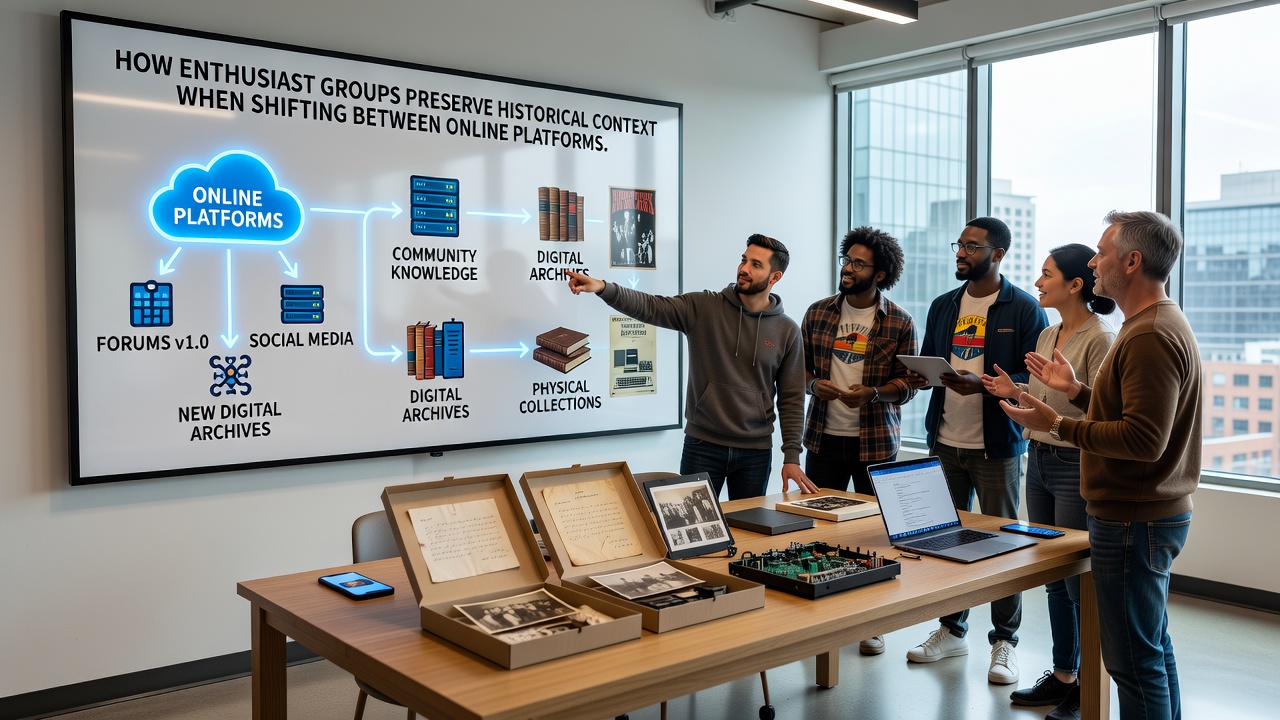
According to records maintained by the US National Archives digital preservation initiatives, structured metadata standards allow groups to embed timestamps, author identifiers, and topic hierarchies directly into migrated files, which simplifies later searches and reduces duplication errors. Groups that adopt these standards report fewer instances of lost context when members attempt to reference earlier debates after the move completes.
Additional techniques include creating mirrored wikis that duplicate key entries with bidirectional links back to original sources, along with version-controlled repositories that track edits made during the transition period itself. These methods prove especially useful for communities handling large volumes of technical documentation or long-running collaborative projects.
Community Coordination During Transitions
Successful migrations rely on clear communication channels that announce archiving milestones and invite member review of preserved materials. Moderators often publish progress reports that highlight which sections have been secured and which require additional volunteer input before the old platform becomes inaccessible.
Observers note that groups active in October 2026 increasingly incorporate blockchain-based timestamping services to create immutable records of when specific discussions occurred, adding another layer of verification for disputes that arise years after the original exchanges. This practice builds on earlier experiments with distributed ledgers that hobbyist networks first tested around 2023.
Industry reports from organizations such as the International Council on Archives indicate that communities maintaining both public and private copies experience lower rates of content loss when platform operators enforce sudden data retention limits or when entire services shut down without advance warning.
Long-Term Accessibility Measures
After relocation, many groups establish ongoing review cycles that test whether archived materials remain readable across new software versions and storage formats. These cycles typically occur quarterly and involve converting older file types into current standards while retaining original copies for verification purposes.
Cross-referencing between multiple storage locations helps catch corruption early, and some networks partner with academic institutions to deposit complete archives under open-access agreements that guarantee availability beyond any single platform's lifespan. Such partnerships have expanded noticeably since 2025 as more enthusiast collectives seek institutional support for long-term stewardship.
Conclusion
Enthusiast groups that treat historical context as a core asset rather than an afterthought demonstrate higher retention rates across successive platform changes. Their methods combine technical exports, structured metadata, and coordinated volunteer labor to ensure that timelines, contributions, and contextual threads remain intact regardless of where discussions continue. Continued adoption of standardized archiving practices and institutional collaborations points to further improvements in preservation outcomes through the remainder of the decade.